- The Cada Global Newsletter
- Posts
- Managing the Human-AI Hybrid Workforce | Cada Global Newsletter - August 2026
Managing the Human-AI Hybrid Workforce | Cada Global Newsletter - August 2026
Monthly insights for business leaders and SME owners, covering strategy, risk management, and the tools we build.

Dave Adamson
August 03, 2026


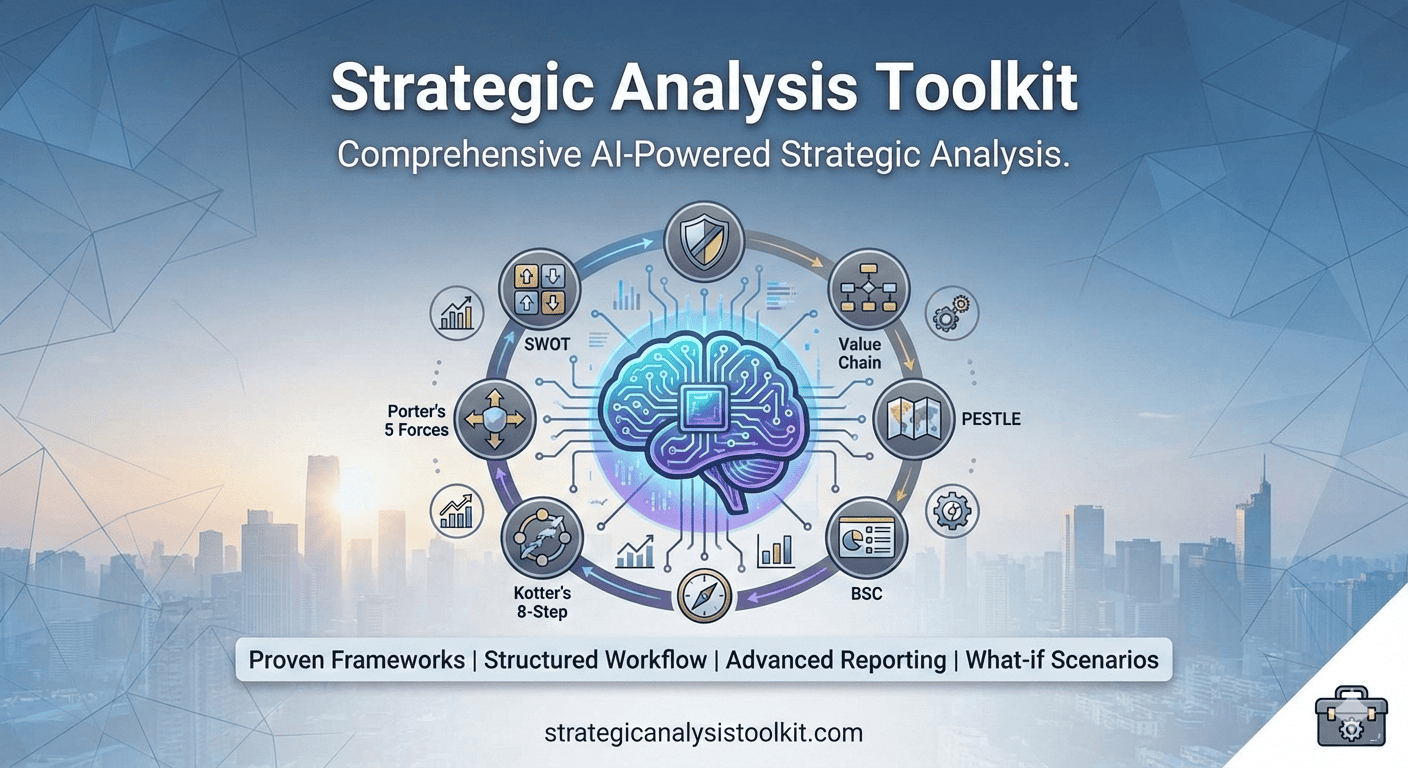
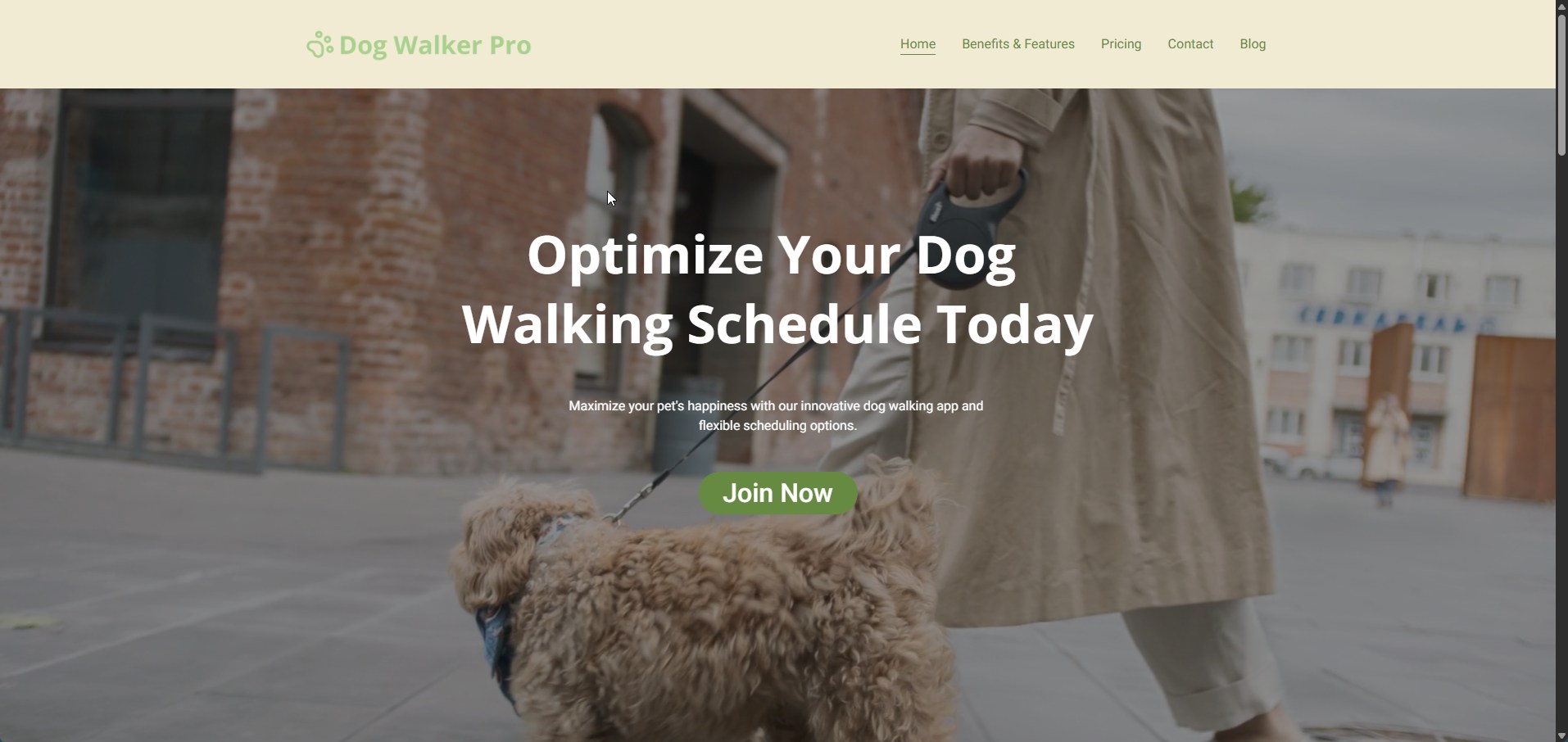
The newsletter also features popular, created, and curated content, as well as occasional updates on tools being used or evaluated, and the Cada Global applications, GetRiskManager, the Strategic Analysis Toolkit, DogWalkerPro, MealPlanGenius and the Local Weather Chrome Extension.
Please share this information with others if you feel they would benefit from it.
You can also read this and previous newsletters; others can subscribe by following the subscribe link below.
This Month
This issue's lead article: Managing the Human-AI Hybrid Workforce: The Shift-Shedding Era
From our Blogs: Risk Appetite Frameworks: Setting Boundaries
Worth reading from other Blogs (Worth Reading): How to Advertise on TikTok: The Complete Guide
Managing the Human-AI Hybrid Workforce: The Shift-Shedding Era
A particular kind of quiet has settled over many offices this year. It isn't the hush of a slow Friday afternoon. It's the quiet of people watching a first draft, a competitor analysis, or a strategy deck appear in seconds, work that, a couple of years ago, would have consumed a week and a small team.
We have entered what might be called the shift-shedding era: not the wholesale replacement of jobs, but the steady shedding of shifts, tasks, and hours that AI now does faster than we can type. The heavy lifting of text and strategy generation is increasingly automated. What's left for managers is arguably harder: keeping people motivated, useful, and growing in a workplace where the most visible parts of their old job description have quietly evaporated.
This is not a technology problem. It's a leadership one. And it demands a different kind of attention than most management training prepares you for.

Managing the Human-AI Hybrid Workforce: The Shift-Shedding Era
Morale: name the shift before it names itself
The instinct, understandably, is to reassure people that nothing much has changed. This rarely works, because everyone can see that something has.
A better approach is to state plainly what has shifted and what hasn't. AI has taken over the first-draft strategy memo; it has not taken over judgement about which strategy actually fits the client, the market, or the politics of the room. Naming this distinction early and often prevents the vacuum from being filled by anxiety or, worse, quiet resentment.
Morale in a hybrid workforce doesn't hold up on inspirational language. It holds up on evidence that people's contributions remain visible and specific. Managers should resist the temptation to praise great teamwork in the abstract and instead point to the exact judgement call, the catch, or the edit that mattered. When AI produces the bulk of a document, the human contribution becomes smaller in volume but higher in leverage; a single well-placed correction can save a client relationship. That needs to be recognised out loud, not assumed to be self-evident.
When AI produces the bulk of a document, the human contribution becomes smaller in volume but higher in leverage
It also helps to be honest about grief. Some employees genuinely enjoyed the drafting, the research, the building, and the craft of it. Losing that isn't trivial, even if the output improves. Treating this as a legitimate loss, rather than a productivity gain to be celebrated by everyone, builds far more trust than forced enthusiasm.
Upskilling: away from production, towards judgement
The upskilling question is often framed as ‘Which AI tools should my team learn?’ That's the smaller question. The larger one is which human capabilities become more valuable once production is automated.
Three areas tend to matter most:
Editorial judgement
Knowing what good looks like quickly, and being able to say precisely why a draft is wrong, not just that it feels off. This used to be a skill developed over years of writing badly and being corrected. It now needs to be taught deliberately and early, because early-career staff no longer get those repetitions through their own drafting.
Prompting as a specification skill
The valuable version of prompting isn't clever phrasing; it's the ability to specify a problem clearly enough to make a good answer possible, the same skill that underpins writing a decent brief for a colleague or a client.
Verification and scepticism
Staff need practice spotting confident-sounding errors, unsupported claims, and strategies that sound coherent yet don't hold up under the client's actual constraints. This is closer to an audit skill than to a writing skill.
Spending budgets purely on tool training will result in underperformance. The return comes from structured practice in reviewing, questioning, and improving AI output, ideally through real cases with real stakes, not generic tutorials.
Spending budgets purely on tool training will result in underperformance. The return comes from structured practice in reviewing, questioning, and improving AI output, ideally through real cases with real stakes, not generic tutorials.
Reassigning roles without demoting people
The most delicate task is reallocating work without it seeming like a demotion. Two principles help.
Redefine roles around outcomes, not tasks. Someone whose role was to write the weekly report should become the person accountable for the report being accurate and useful, which includes commissioning it from AI, checking it, and knowing when to override it. The title of the work changes; the seniority of the accountability shouldn't diminish.
Be transparent about where roles are genuinely being reduced, rather than dressing up a reduction as an enrichment. If a team of six drafters is now sensibly a team of three editors, say so, and manage the transition honestly, through retraining, redeployment, or, where necessary, a frank conversation about the future. Employees can smell euphemism, and it costs more trust than a difficult truth delivered early.
The manager's own shift
There's a final, less comfortable point. Managers themselves are not exempt from shift-shedding.
Much of what used to constitute good management, such as chasing status updates, assembling reports, and drafting communications, is now partly automatable. The managers who do well in this era are those who redirect their freed-up time towards the things AI can't do: reading a room, making a judgement call under uncertainty, and having the difficult conversation that a dashboard can't have for them.
The shift-shedding era isn't a single dramatic event. It's a continuous, uneven erosion of the tasks that used to define jobs, replaced by a smaller, sharper set of tasks only people can do well.
Handled honestly, it can leave teams doing more meaningful work with less busywork.
Handled evasively, it leaves people confused about their purpose.
The difference, as usual, comes down to whether managers are willing to say clearly what has actually changed.
Risk Appetite Frameworks: Setting Boundaries
One of the cornerstones of corporate risk management is the concept of (management’s) risk appetite: the amount of risk, on a scale from negligible to catastrophic, associated with a given set of objectives within the context of an organisation’s risk tolerance and acceptable levels of risk; sometimes referred to as “acceptable risk”.

To find out more, read the full article here.
How to Advertise on TikTok: The Complete Guide
Use this complete guide to advertise your business on TikTok, including set-up steps, best practices, and answers to TikTok FAQs.

To find out more, read the full article here.

Strategic Analysis Toolkit
GetRiskManager

DogWalkerPro
MealPlanGenius

Go To Local Weather

1
Reply